Romantic Surprise Ideas: How to Surprise Your Partner (Without Spending a Fortune)
Here is a number worth sitting with: in studies of long-term couples, the people who reported the most excitement and satisfaction weren't the ones with the biggest anniversaries or the fanciest vacations. They were the ones who kept introducing small doses of novelty into ordinary life. Psychologist Arthur Aron, whose self-expansion model has shaped decades of relationship research, found that couples who tried new things together felt measurably closer afterward. Novelty, it turns out, is one of love's quiet engines.
So the question isn't really can you surprise your partner. It's how to do it in a way that actually lands, fits who they are, and becomes part of how you love each other rather than a once-a-year performance. Let's get into it.
Why surprises actually strengthen a relationship
Before the idea list, it helps to understand why a small, well-aimed surprise can do more for your relationship than an expensive gift handed over on schedule.
Novelty feeds desire
Aron's research suggests that shared new experiences light up the same parts of us that early dating did. We expand our sense of self through the other person, and that expansion feels exciting. Therapist Esther Perel makes a parallel point about desire: longing thrives on a little mystery and distance, not total predictability. A surprise reintroduces the unknown into a relationship that has, understandably, become comfortable. You can love someone deeply and still want to keep them slightly guessing.
Small attentions beat grand gestures
Relationship researcher John Gottman calls the tiny moments where one partner reaches for the other "bids" for connection. A text in the middle of the day, a coffee made exactly how they like it, a song queued up because it reminded you of them. Gottman's data shows that couples who consistently "turn toward" these bids stay together; those who miss them drift. A surprise is just a louder, more deliberate bid. Frequency matters far more than scale.
Surprising isn't about spending
Gary Chapman's framework of the five love languages is useful here precisely because it reminds us that gifts are only one of five. Plenty of people feel most loved through quality time, acts of service, words of affirmation, or physical touch. If your partner's currency isn't presents, the most expensive surprise in the world can land flat while a handwritten note lands like fireworks. The goal is resonance, not receipts.
How to pull off a surprise that actually lands
Most surprises that flop don't fail because of bad ideas. They fail because they were aimed at the wrong target. Three principles fix that.
Start from THEIR love language, not yours
This is the single biggest mistake people make: we surprise others the way we'd want to be surprised. If you love public celebration but your partner values calm one-on-one time, a surprise party is a gift to yourself disguised as a gift to them. Watch how your partner expresses love when they're not thinking about it, that's usually their language, and aim there.
Nail the timing
An ordinary Tuesday almost always beats an expected occasion. On your anniversary, the bar is already high and the moment is anticipated. But a romantic surprise dinner on a random weeknight, or breakfast in bed on a slow Sunday when nothing was planned, carries the message that you think about them even when the calendar doesn't require it. Unexpected timing is its own gift.
Intention over perfection
Surprises don't need to be flawless to work. The candles can be a little crooked, the playlist can have one wrong song, the road trip can hit traffic. What your partner remembers is that you noticed them, planned for them, and showed up. Effort reads as love. Polish is optional.
30 romantic surprise ideas for your partner
Here's a practical menu, sorted by how much effort each takes, plus a set tuned to specific love languages. Pick what fits your person, not what sounds most impressive.
5-minute, free surprises
- Leave a sticky note on the bathroom mirror with one specific thing you love about them.
- Send a midday text recalling a favorite memory together, no reason needed.
- Make their coffee or tea exactly the way they like it before they ask.
- Queue up "your song" when they walk in the door.
- Warm their car up on a cold morning before they head to work.
- Hide a short love note in their bag, jacket pocket, or lunch.
Surprises for a night in together
- Cook the meal from your very first date and recreate the evening at home.
- Set up a backyard movie night with a projector, blankets, and their favorite snacks.
- Run them a bath with candles after a long week, no agenda attached.
- Build a pillow fort and binge the show they've been wanting to start.
- Plan a "countries night": cook a dish from a place you both want to visit someday.
- Do a blind taste test of grocery-store ice creams or wines, just for the laughs.
Surprises worth a little prep
- Plan a surprise Saturday-night date and only tell them the dress code.
- Frame a printed photo from a trip they loved and hang it where they'll spot it.
- Write a short letter listing 10 small things they did this year that you noticed.
- Arrange a video call with a faraway friend or family member they miss.
- Book the class they keep mentioning, pottery, cooking, climbing, and go together.
- Make a playlist that tells the story of your relationship and share it on a drive.
Big surprises (weekends & events)
- Grab concert tickets for an artist they love and keep it secret until you're at the door.
- Plan a weekend road trip to a town neither of you has visited.
- Book a surprise overnight at a cabin, a B&B, or a city you've talked about.
- Organize a small gathering of their closest people, if they enjoy that kind of thing.
- Plan a "do-over" of your first trip together, same route, new memories.
- Take a day off work in sync and disappear together with phones on silent.
Ideas by love language
- Words of affirmation: a jar of handwritten notes, one to open each morning for a week.
- Quality time: a phone-free evening with a planned conversation or a new board game.
- Acts of service: quietly handle the chore they dread most, then say nothing about it.
- Physical touch: a long, unhurried massage with no expectation of anything more.
- Gifts: something small they once mentioned in passing and assumed you forgot.
Mistakes to avoid
A surprise can backfire when it's built on the wrong assumptions. Watch for these three.
Surprising for yourself, not them
If the surprise is really about how it makes you feel, the planner, the romantic, the big gesture person, your partner will sense it. Center their joy, not your performance of love.
Ignoring their boundaries
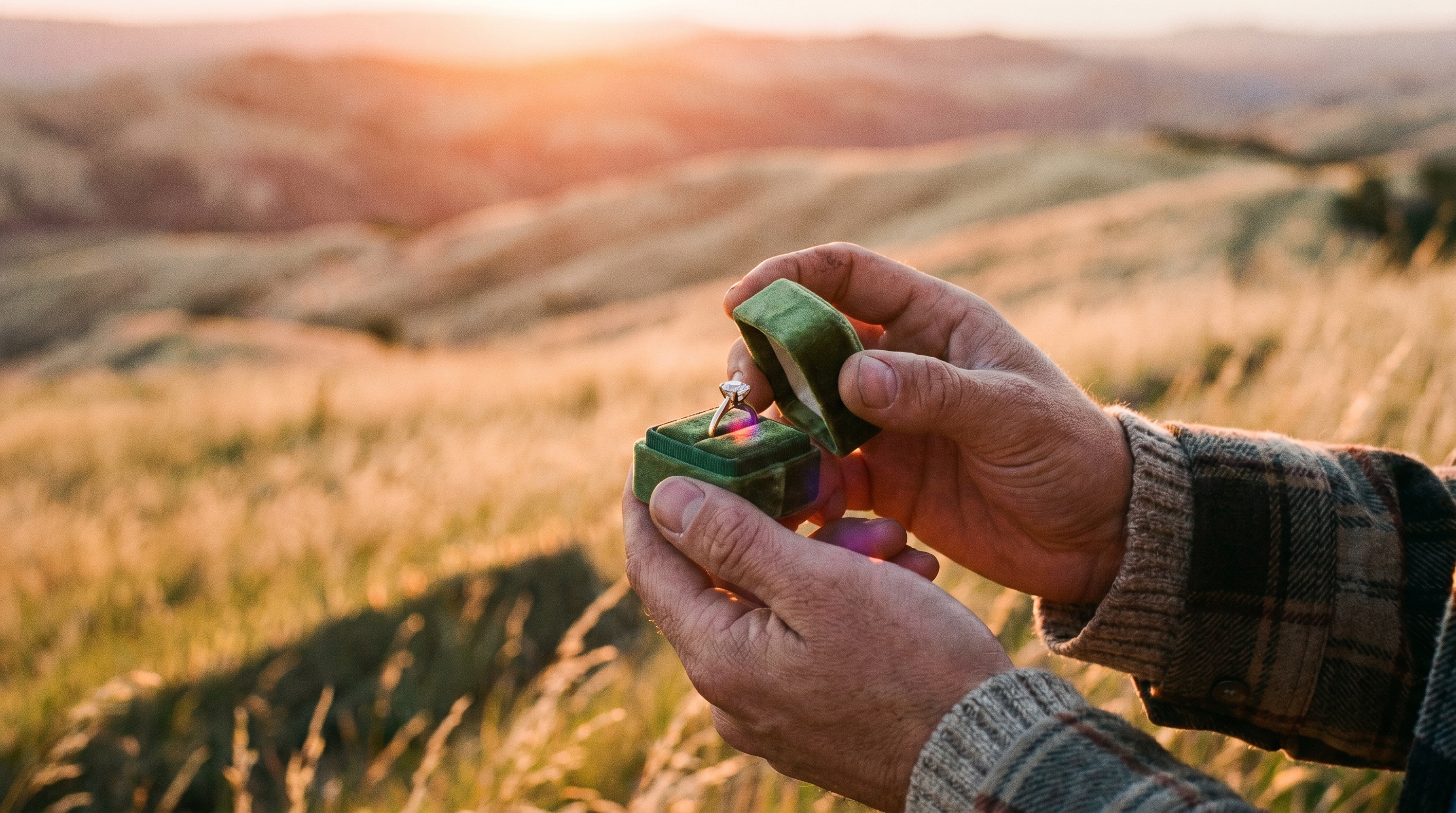
Some people genuinely dislike being the center of attention. A surprise public proposal at a stadium, a flash-mob, or a crowded restaurant can be a nightmare for an introvert no matter how loving the intent. Know your person. The most romantic surprise for them might be a quiet one with an audience of exactly one.
Making it a one-off
Here's where Gottman's research circles back: it's the consistency of small gestures, not the size of the occasional big one, that builds a felt sense of security. One spectacular surprise a year can't carry a relationship. A steady drip of small attentions can.
Make it a habit, not a performance
The healthiest version of surprising your partner isn't a grand event you brace for once a year. It's a habit, small, frequent, and tuned to who they actually are. A note here, a favorite snack there, a random Tuesday that turns out to be a little better than expected. Over time, those moments accumulate into something a single dramatic gesture never could: the quiet, reliable feeling of being known.
The hard part is rarely generosity, it's memory. We forget the offhand wish, the date that matters, the thing they pointed at in a shop three weeks ago. That's part of why couples use Adeux to keep their partner's wishes, important dates, and shared bucket-list ideas in one place, so the next surprise is always within reach instead of forgotten. However you keep track, the principle holds: notice, remember, and show up. That's the whole secret.