40+ Weekend Activities for Couples: Ideas by Season, Budget & Energy
The weekend is a couple's oxygen. It is the space where daily life — work, errands, obligations — temporarily gives way to something more essential: the two of you. Studies in couple psychology show that partners who regularly share new and stimulating activities together display significantly higher levels of relationship satisfaction than those who spend their weekends in passive routines. Research published in the Journal of Personality and Social Psychology even demonstrated that new and slightly challenging activities activate the same dopaminergic circuits as the early days of a relationship — a chemically proven way to revive excitement between long-term partners.
But the problem with couple weekends is the negotiation. One wants adventure, the other wants rest. One dreams of going out, the other of staying warm inside. One has energy to spare, the other is exhausted from a busy week. Result: you often end up by default in front of a series, not by choice but by collective surrender. This article is designed to break that cycle. We offer you more than 40 couple activity ideas for the weekend, organized by type, budget, and required energy, so that you always find something that matches your current state — both of you.
Romantic Activities
- Candlelit dinner at home: Cook a dish you have never tried together, set a real table with candles and music — the effort transforms routine into a memory.
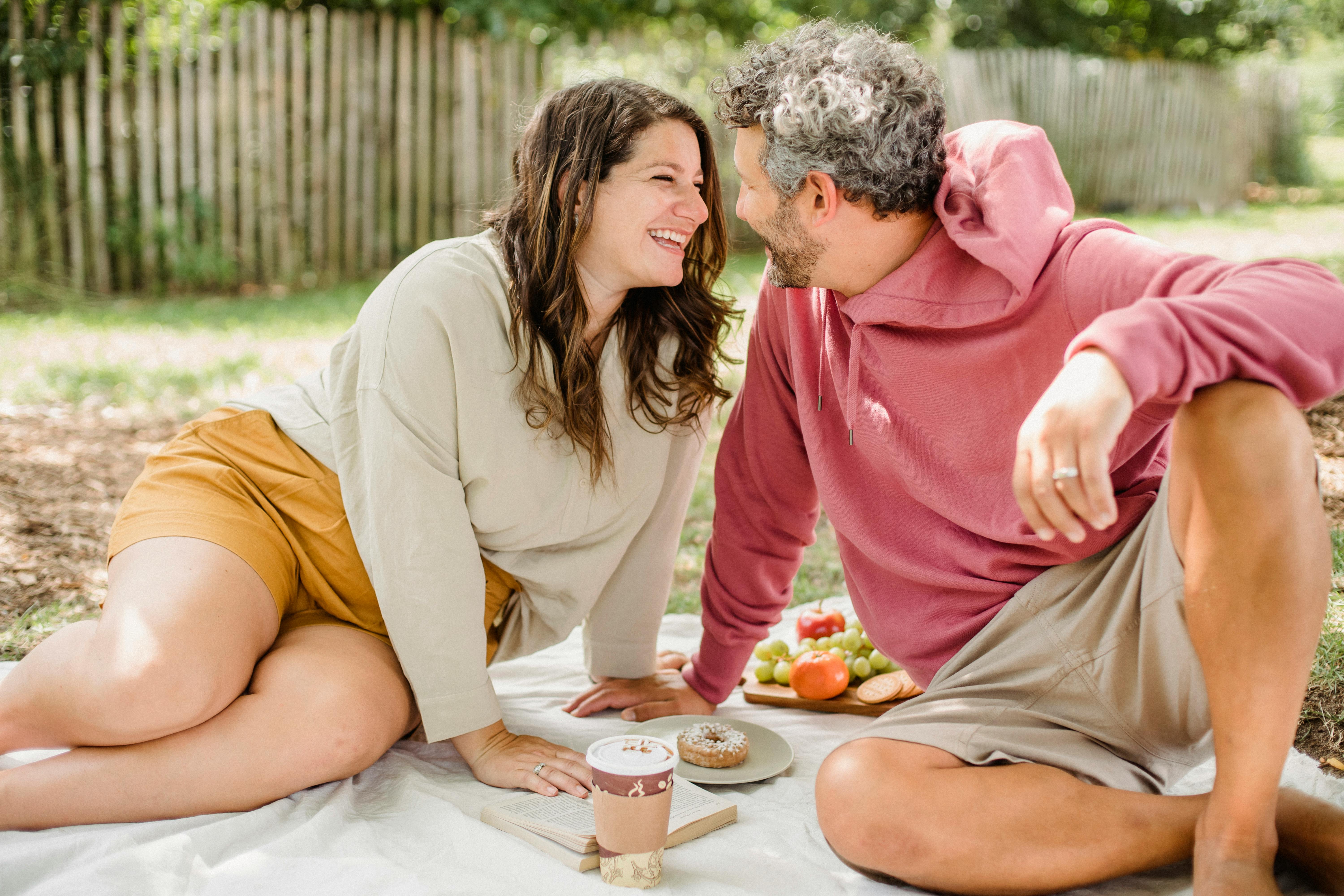
- Sunset picnic: Choose a spot with a view, bring your favorite dishes, and watch the sky change color — simple, free, unforgettable.
- A night at a hotel in your own city: Playing tourists in your own city creates a psychological distance that revives excitement. Book a room at a place you have never tried.
- Essential oil bath and mutual massage: A shared care ritual that combines intentional touch and relaxation — two powerful ingredients for emotional reconnection.
- Watching the sunrise together: Getting up early to share something rare creates a special intimacy — the sensation of seeing something while the world is still asleep.
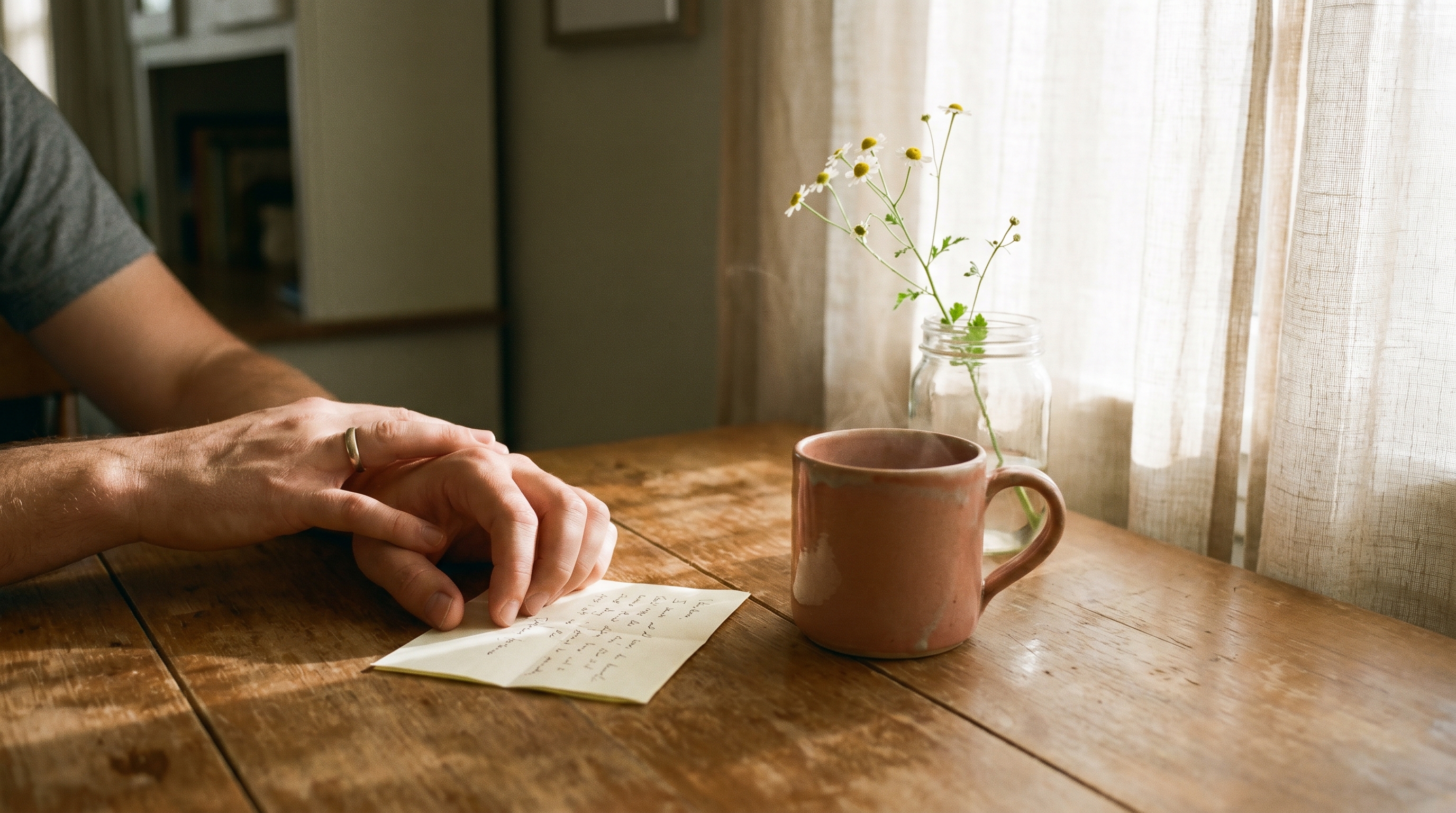
- Writing love letters and exchanging them: Each take an hour to write the other a handwritten letter — what you admire, what you love, what you hope for. Then read them aloud.
- Recreating your first date: Going back to the restaurant or the place where you first met, ordering the same dishes if possible — an emotionally powerful journey through time.
- Stargazing evening with a sky map: Get away from city lights, settle on a blanket, and learn together to identify constellations with a star mapping app.
- Private or online dance class: Learning to dance together — salsa, tango, waltz — is an experience that combines physical closeness, laughter, and complicity.
- Creating a photo album of your relationship: Spend an afternoon sorting through your favorite photos and create a physical or digital album together — a memory project that reactivates good memories.
Sports and Outdoor Activities
- Hiking in a forest or mountain: Choose a trail suited to your level and savor the natural conversation that walking side by side encourages — without the usual distractions.
- Renting bikes and exploring an unknown route: A day cycling in a region you do not know — the spontaneous stops, the unexpected discoveries, the shared effort.
- Indoor climbing for the first time: Learning something slightly intimidating together creates a unique complicity. The rapid progress of beginners is a source of mutual pride.
- Kayaking or canoeing on a calm river: An activity that requires coordination and communication — a perfect metaphor for a couple, and a magnificent experience in most regions.
- Couples yoga or stretching class: Many partner yoga poses require trust and synchronization — an original way to create physical and mental closeness.
- Skiing or snowboarding day in winter: Shared adrenaline strengthens emotional bonds — and après-ski by the fire more than makes up for the falls.
- Trail running on a discovery course: Running together in a new natural setting is more stimulating than side-by-side treadmills — the conversation is different, freer.
- Swimming in a lake or natural river in summer: The spontaneity of an outdoor swim, the picnic that follows on the grass — a timeless classic.
- Tree-top adventure or ropes course: Pushing yourselves together in a context slightly outside the comfort zone — and finding yourselves holding hands on the zip line descent.
Creative and Cultural Activities
- Pottery or clay modeling class for two: Made famous by Ghost, the pottery wheel for two is a tactile and playful experience — and you leave with something you created together.
- Guided painting workshop with a glass of wine: "Wine and paint" sessions are multiplying in every major city — a relaxed, creative, and light evening.
- Visiting a museum you have never been to: Take the time to truly look at the artworks, share your reactions, let yourselves be surprised. Prefer small museums over large ones for a more intimate experience.
- Concert or live performance: Seeing live music — even a small local jazz stage — creates a shared emotion whose memories last a long time.
- Cooking class in a foreign cuisine: Learning together to cook Japanese, Mexican, or Indian food — with a chef in a workshop — is a convivial activity that extends to the dinner table.
- Escape room for two or in small groups: Solving puzzles together under pressure reveals your problem-solving styles — and creates fun stories to tell.
- Visiting a makers' or artisans' market: Strolling together through an artisan market, discovering unique objects, supporting local creators — an activity that is both cultural and sensory.
- Improvisation theater as an audience member: Attending an improv show is one of the funniest and most unpredictable experiences there is — no two evenings are alike.
- Creative photo session in your city: Bring a camera and transform your neighborhood into a studio — the photos will be a memorable keepsake of that day.
Cozy Activities (for Quiet Weekends)
- Binge-watching a series you have never started: Choosing a new series together — and agreeing on which one — is already an intimate negotiation. The couch ritual can be as precious as any outing.
- Board games or card games: Some games are specially designed for couples (Fog of Love, Hive, Patchwork) — but a lively game of Scrabble is worth any night out.
- Slow cooking a dish that takes time: Preparing a beef bourguignon, homemade ramen, or puff pastry tart together — long recipes are activities in themselves, with conversations that arise naturally.
- Cross reading aloud: Reading aloud to your partner — a short story, a chapter, a long article — is an ancient and deeply intimate practice.
- Podcast or documentary on a topic you are passionate about: Listening together to something that nourishes you intellectually, then discussing it — a form of intellectual date.
- Creating an "us" playlist: Spending an afternoon gathering the songs that tell your story — your first dances, the songs of your summers, the tracks that marked your key moments.
- Home spa night with face masks, candles, and soft music: Invest in a few quality treatments and create your own relaxation space — as effective as a real spa, for a fraction of the price.
- Planning a dream trip (even a distant one): Spending an afternoon researching, dreaming, and planning a future trip — even if it is not happening soon — creates anticipation and strengthens the feeling of shared projects.
Free or Low-Budget Activities
- Walking through an unfamiliar neighborhood of your city: Choose a district or neighborhood you do not know, walk without a set plan, and pop into the cafes or shops that catch your eye.
- Flea market or yard sale on Sunday morning: The atmosphere of a flea market, the hunt for unusual objects, coffee at a terrace afterward — a perfect morning for less than ten euros.
- Picnic in a park with homemade food: Prepare sandwiches, salads, and cakes together. The outing, even a short one, changes the mindset and the quality of the conversation.
- Library visit and choosing a book for the other: Each person chooses a book for the other from the shelves — without consulting, by instinct. An exercise in projection and knowing the other person.
- "Unknown questions" game: A list of questions you have never answered together — the questions offered by Adeux are perfect for this Sunday exercise on the couch.
- Urban hike with a photo challenge: Create a list of things to photograph in your city (a red door, a graffiti with an animal, an unusual fountain) and set off on the hunt.
- Outdoor movie or local film club: Many cities organize free screenings in summer — an experience that is both collective and romantic.
- Gardening or planting herbs: Even without a garden, growing herbs together on a balcony is a soothing activity with a concrete and flavorful result.
How to Choose the Right Activity? The Decision Table
The best activity is not the one that is objectively the most interesting — it is the one that matches your current state, both of you. Here is how to choose in less than two minutes.
Energy level: Are you both in good shape and ready to exert yourselves, or rather exhausted and in need of gentleness? If you are not on the same energy wavelength, choose an activity that requires little physical effort but lots of presence — cooking, games, guided conversation.
Budget: Some of the most memorable activities cost less than ten euros. Do not let budget constraints be an obstacle — they can even become a stimulating creative constraint.
Weather and season: Outdoor activities have a special magic in summer; cozy activities have theirs in winter. Work with the season rather than against it.
Desired level of novelty: If your routine weighs on you, deliberately choose something you have never done. If you are going through a period of stress, familiarity is more reassuring than novelty.
To make these decisions even simpler, Adeux offers a date ideas by swipe feature — each person swipes on their side through activity suggestions, and the app reveals the matches. No more endless Sunday morning negotiations. In a few seconds, you know what you both truly want to do.
Create Your Weekend Bucket List
One of the best ways to transform your weekends into memorable adventures is to plan ahead — not in detail, but in intention. A weekend bucket list is a list of experiences you want to share together over the year: the concert of that artist you both love, that starred restaurant for an anniversary, that hike you have been postponing for two years, that city trip less than three hours away.
The bucket list has a powerful psychological effect: it transforms vague desire ("we should do that someday") into concrete intention. And the anticipation itself is a source of happiness — studies show that the anticipation of a positive experience generates as much happiness as the experience itself.
Adeux integrates a shared bucket list directly into the app — you can add ideas at any time, organize them by category, mark them as completed, and keep a record of your shared adventures. It is a simple and beautiful way to turn your experience dreams into planned reality.
Frequently Asked Questions About Couple Weekend Activities
How to motivate a homebody partner?
The key is not to oppose "going out" versus "staying in" but to suggest activities that respect their need for comfort while introducing a dose of novelty. Start with middle-ground activities — cooking an unknown recipe at home, a movie in a new genre, a board game you have never tried. Novelty can exist indoors. Once confidence is established, more ambitious outings will naturally become more appealing.
What is the most popular couple activity?
According to several studies on couples' leisure activities, shared culinary experiences — cooking together or discovering new restaurants — regularly top the list of couples' favorite activities, followed by outdoor activities (hiking, cycling) and movie nights at home. Popularity varies greatly depending on age, location, and the length of the relationship, but the constant is sharing a new experience rather than the nature of the activity itself.
How to plan without killing spontaneity?
Plan the framework, not the details. Blocking a weekend in the calendar for "something outdoors" preserves intentionality without rigidifying spontaneity. On the day itself, decide based on the weather, the mood, the desire of the moment. This hybrid approach — planned intention, spontaneous execution — combines the best of both worlds and prevents the Sunday afternoon syndrome of having no ideas.
Do couple activities really improve the relationship?
Yes, the data is solid on this point. Research published in the Journal of Marriage and Family shows that couples who regularly engage in new activities together report higher marital satisfaction, fewer conflicts, and stronger mutual desire. The effect is particularly pronounced for activities that involve shared learning, a slight shared risk-taking, or a positive emotional experience. It is not the quantity of time spent together that matters — it is the quality and presence within that time.
Conclusion: Weekends That Build Your Story
Every weekend is an opportunity to build a memory, to strengthen a complicity, to write a page of your shared story. It does not need to be extraordinary — research shows that it is often the small shared moments, regular and intentional, that have the most lasting impact on the quality of a relationship. Adeux is designed to help you transform these moments into rituals: with the shared bucket list, date ideas by swipe, and the photo album to keep a record of your adventures. Download the app and start writing your next weekends together.